Vintage Mother’s Day Clipart
There’s something quietly powerful about vintage design—it evokes warmth, nostalgia, and sincerity. That’s why Vintage Mother’s Day Clipart has become a go-to choice for creators who want to honor moms with authenticity, not just aesthetics. Whether you’re designing a heartfelt card for your grandmother, launching a small-batch greeting card line, or personalizing a tote bag for a family gift, these illustrations bring gentle charm and timeless appeal. But not all clipart delivers on that promise—and choosing the wrong set can cost you time, print quality, or even customer trust.
What Makes Vintage Mother’s Day Clipart Different?
Unlike generic floral or script-based graphics, authentic Vintage Mother’s Day Clipart draws from mid-century motifs—think delicate lace borders, hand-drawn florals, retro typography, and soft watercolor textures. The “distressed effect” isn’t just decorative; it signals intentionality—suggesting age, care, and craftsmanship. When done well, it adds emotional resonance without looking dated or gimmicky.
This particular collection includes 37 unique PNG files, each delivered at 300 dpi resolution in 12×12 inches, with fully transparent backgrounds. That means they scale cleanly for large-format prints (like framed art or fabric transfers) *and* hold crisp detail when resized down for stickers or digital cards. No pixelation. No white boxes. Just ready-to-use versatility.
A Common Misstep: Assuming “Vintage” Means “Low-Resolution”
Many shoppers assume vintage-style graphics must be low-res or heavily compressed—after all, “old” often equals “grainy.” But that’s outdated thinking. True usability comes from high-resolution files that preserve texture *and* clarity. If you download a 72 dpi version expecting to print on a mug or t-shirt, you’ll get blurry edges, visible halos, or washed-out distressing. Worse, you might waste ink, paper, or production time trying to fix what should’ve been right from the start.
Better approach: Always verify resolution *before* purchase—even if the listing says “high quality.” Look for explicit specs: “300 dpi,” “print-ready,” and “transparent background.” This collection meets those standards precisely, so whether you’re using Cricut Design Space, Adobe Illustrator, or Canva Pro, your output stays professional.
Overlooking Color Consistency—And Why It Matters
Here’s what seasoned designers know but beginners often miss: screen colors ≠ printed colors. A soft sage green may look muted on your laptop but pop richly on matte cardstock—or fade unexpectedly on a ceramic mug. That’s why this listing includes a thoughtful note: “Colors may slightly vary from what you see on your end, as each monitor is calibrated differently.”
That’s not a disclaimer to gloss over—it’s an invitation to plan ahead. Test one file first. Print a small swatch. Adjust saturation or contrast in your editing software *before* committing to a full batch. And if you're selling finished goods, share that color-variance note with your customers—it builds honesty and reduces returns.
Mistaking “Instant Download” for “Zero Setup”
Yes—this is a digital instant download. No shipping. No waiting. But “instant” doesn’t mean “plug-and-play for every use case.” For example, if you’re applying these to vinyl decals, you’ll need to convert the PNG to a vector format (like SVG) for clean cutting. If you’re embroidering, you’ll need digitizing—not just dropping in the file. And if you’re using them commercially (e.g., on products you sell), double-check the license: does it allow unlimited commercial use? Does it require attribution?
This collection grants broad commercial rights—no royalties, no credit required—but always read the fine print. Some sellers limit usage to personal projects or cap sales volume. Don’t assume. Don’t guess. One quick scroll through the license terms saves hours of legal uncertainty later.
Why File Format & Background Transparency Are Non-Negotiable
PNGs with transparent backgrounds are essential for layering—especially with vintage designs that rely on subtle overlays, faded edges, or textured backdrops. JPEGs or flattened PSDs force you to manually erase backgrounds, which degrades the distressed effect and eats up editing time.
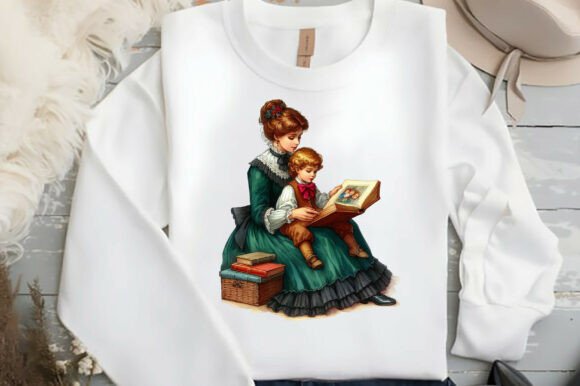
Real-world example: You’re making a printable Mother’s Day planner page. You want a vintage teacup clipart floating gently over a linen-textured background. With a transparent PNG, it sits naturally. With a white-background JPG? You get a harsh box around the cup—breaking the vintage illusion instantly.
Getting the Most From Your 37 Designs
Don’t treat these as standalone decorations. Think in systems:
- Pair complementary motifs: Use a floral wreath + handwritten “Mom” script + ribbon banner together for layered card fronts.
- Repurpose across mediums: That same distressed heart graphic works on a phone case, a tea towel, *and* a digital newsletter header—if sized and spaced thoughtfully.
- Build consistency: Stick to 2–3 core colors from the set when designing a product suite (e.g., mug + card + sticker). It reads as intentional—not random.
And remember—the “distressed effect” isn’t just visual flair. It’s functional: it helps graphics blend into handmade or artisanal contexts where perfection feels out of place. A crisp vector icon shouts “digital.” A softly weathered bloom whispers “made with love.”
Before You Download: Quick Checklist
Ask yourself these questions before finalizing your purchase:
- Is the resolution confirmed as 300 dpi (not “high res” or “HD” without specs)?
- Are files delivered as individual PNGs—not one ZIP with embedded layers or unsorted folders?
- Does the license clearly state commercial use permissions—and any restrictions?
- Is there a way to contact the creator if you run into technical issues? (This listing invites messages—great sign.)
- Do the preview images show actual usage examples—not just isolated icons on white?
If all five check out, you’re not just buying clipart—you’re investing in reliable creative infrastructure. These 37 designs aren’t filler. They’re tools built for real work: teaching resources for educators, branding elements for small businesses, tactile touches for crafters, and quiet moments of meaning for anyone honoring motherhood the way it deserves—thoughtfully, warmly, and without cliché.