Silhouettes of Wildflowers and Grass
Imagine clean, elegant outlines of delicate wildflowers and swaying grasses—crisp black shapes against a pure white background. That’s what Silhouettes of Wildflowers and Grass delivers: a thoughtful, versatile visual resource designed for creators who value simplicity, nature-inspired elegance, and practical flexibility.
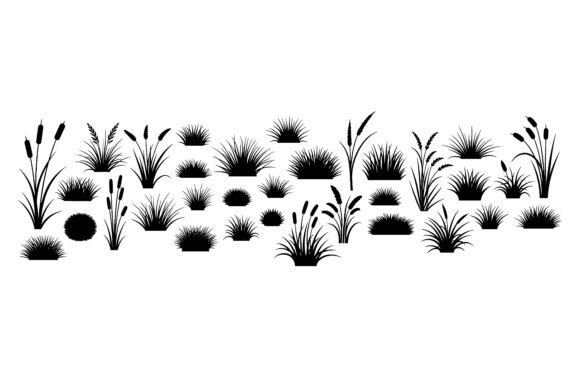
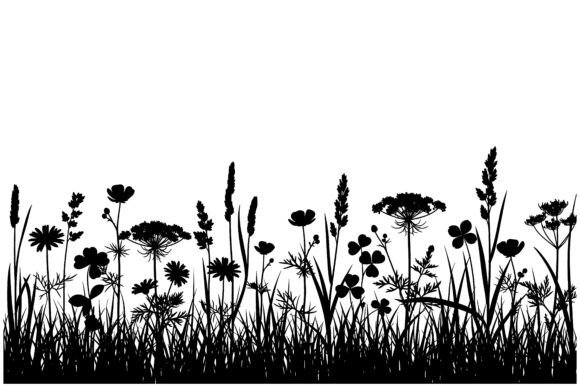
This collection includes one EPS file and one JPG file, both featuring hand-crafted black silhouettes of diverse native flora—think Queen Anne’s lace, yarrow, clover, feather grass, and slender reeds—all arranged with organic spacing and subtle variation in scale and orientation. There’s no color distraction, no texture overlay, no busy detail—just confident, balanced outlines that evoke meadows, gardens, and open fields without saying a word.
Why These Silhouettes Stand Out
Unlike generic floral vectors or overly stylized botanical illustrations, this set prioritizes authenticity and usability. The shapes are recognizable but not literal—they suggest movement, growth, and natural rhythm rather than mimicking photographs. That makes them ideal for projects where subtlety and sophistication matter more than realism.
The black-and-white contrast ensures maximum compatibility across platforms and applications. Whether you’re designing for print, web, social media, or physical products, the silhouettes retain clarity at any size—from tiny icons to full-page backgrounds. And because the EPS file is vector-based, it scales infinitely without pixelation—perfect for logos, signage, packaging, or large-format wall art.
Where You’ll Find Real Value
Beginners often wonder, “Can I actually use this if I’m not a designer?” Absolutely. The JPG version opens in any photo editor (like Canva, Photoshop Elements, or even PowerPoint), so you can drag and drop into presentations, blog headers, or classroom handouts in seconds. No special software needed.
Professionals appreciate the EPS file for its precision. Graphic designers use it to build custom borders around invitations or business cards. Marketers layer it behind transparent text for elegant email headers. Educators incorporate the shapes into science unit visuals—labeling parts of plants or illustrating ecosystem diversity without visual clutter.
Small business owners find quiet power in these silhouettes too. A candle maker might stamp them onto kraft labels. A yoga studio could weave them into a serene website banner. A wedding planner may use them as subtle dividers between sections of a digital program—evoking garden ceremony vibes without overwhelming guests.
Simple Ways to Bring Nature Into Your Work
- Backgrounds & Textures: Tile the JPG lightly at low opacity for a whisper-thin botanical texture behind body copy—or use it full-coverage for minimalist landing pages.
- Borders & Frames: Arrange elements along edges to create custom frames for photos, certificates, or printable planners.
- Pattern Building: Import the EPS into design tools like Illustrator or Affinity Designer to rotate, mirror, and repeat shapes into seamless patterns for fabric, wrapping paper, or web tiles.
- Educational Visuals: Combine with arrows or callouts to teach plant anatomy, pollination, or seasonal growth cycles—especially effective in black-and-white handouts or accessibility-focused materials.
- Branding Accents: Use a single silhouette—like a tall grass stem—as a subtle icon beside a tagline or footer, reinforcing a brand’s connection to nature, calm, or sustainability.
What to Keep in Mind Before Using
While highly adaptable, these silhouettes work best when their strengths align with your goals. They’re not meant for photorealistic scenes or complex layered illustrations. If you need colored petals, visible veins, or seasonal shading, look for detailed botanical illustrations instead.
Also consider context: black-on-white works beautifully on light interfaces—but if your project uses dark mode or deep-colored backgrounds, you’ll want to invert or recolor the JPG first (most free editors support this). The EPS gives you full control to do that, but the JPG is fixed unless edited.
Another practical note: because the set features various types of wildflowers and grass—not just one repeated motif—it invites thoughtful composition. Don’t rush to fill space. Try spacing elements unevenly, clustering three stems near a corner, or letting one tall grass sweep diagonally across a layout. That intentional asymmetry echoes how plants grow in real meadows—and adds cinematic flow to static designs.
Thoughtful Pairings That Elevate the Design
These silhouettes pair naturally with clean, readable fonts (think serif headings with sans-serif body text), soft neutral palettes (oatmeal, slate, warm ivory), and ample whitespace. They also complement motion-based projects: animate individual stems gently swaying in a looped video intro, or fade them in sequentially for an engaging presentation slide.
For educators and content creators, they serve double duty—visually grounding a topic while remaining open-ended enough for interpretation. A student might sketch over the outlines to label parts; a blogger might crop just two flowers to symbolize “balance” or “resilience” alongside reflective writing.
And because they’re rooted in real flora—not abstract shapes—they carry gentle emotional resonance. Grass suggests openness and resilience. Wildflowers imply diversity, adaptability, quiet beauty. That unspoken language supports storytelling, branding, and teaching in ways that feel grounded and sincere.
If you’re drawn to nature, value intentionality in design, or simply want visuals that work quietly but effectively—Silhouettes of Wildflowers and Grass offers more than decoration. It’s a flexible, respectful nod to the natural world—one that adapts to your voice, your medium, and your purpose.